
MISSION VALLEY • SAN DIEGO
Experience Relief from PTSD with TMS Therapy
MISSION VALLEY • SAN DIEGO
Experience Relief from PTSD with TMS Therapy
Covered by insurance, including Medicare and Medi-Cal.
-
83% of patients experience relief
-
High remission rates
-
Personalized treatment approach
-
83% of patients experience relief
-
High remission rates
-
Personalized treatment approach
Life-Changing Results From Real Patients
SERVING CENTRAL SAN DIEGO
Located Near Downtown San Diego Mission Valley Hillcrest Clairemont La Mesa La Jolla
SERVING CENTRAL SAN DIEGO
Located Near Downtown San Diego Mission Valley Hillcrest Clairemont La Jolla La Mesa
What is TMS Therapy?
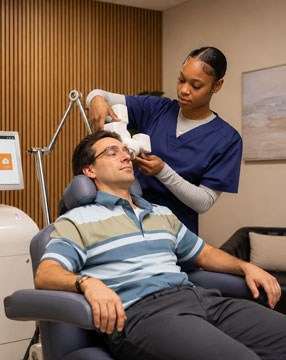
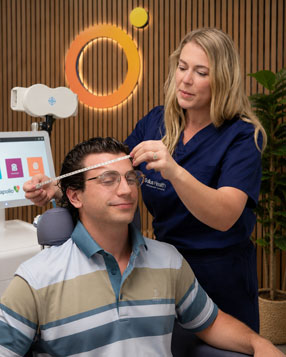
TMS is a non-invasive treatment where magnetic pulses are delivered to stimulate the root cause of PTSD and many other conditions.
Why Choose TMS?
0
% +
Response rate
0
% +
Remission rate
0
week
Treatment process
0
million
Treatments Worldwide
Talk with a Care Specialist
We’ll help you understand whether TMS is right for you.
No pressure. No commitment. We verify insurance before any treatment.
Your information is confidential
TMS is covered by major insurance companies

0
% +
Response rate
0
% +
Remission rate
0
week
Treatment process
0
million
Treatments Worldwide
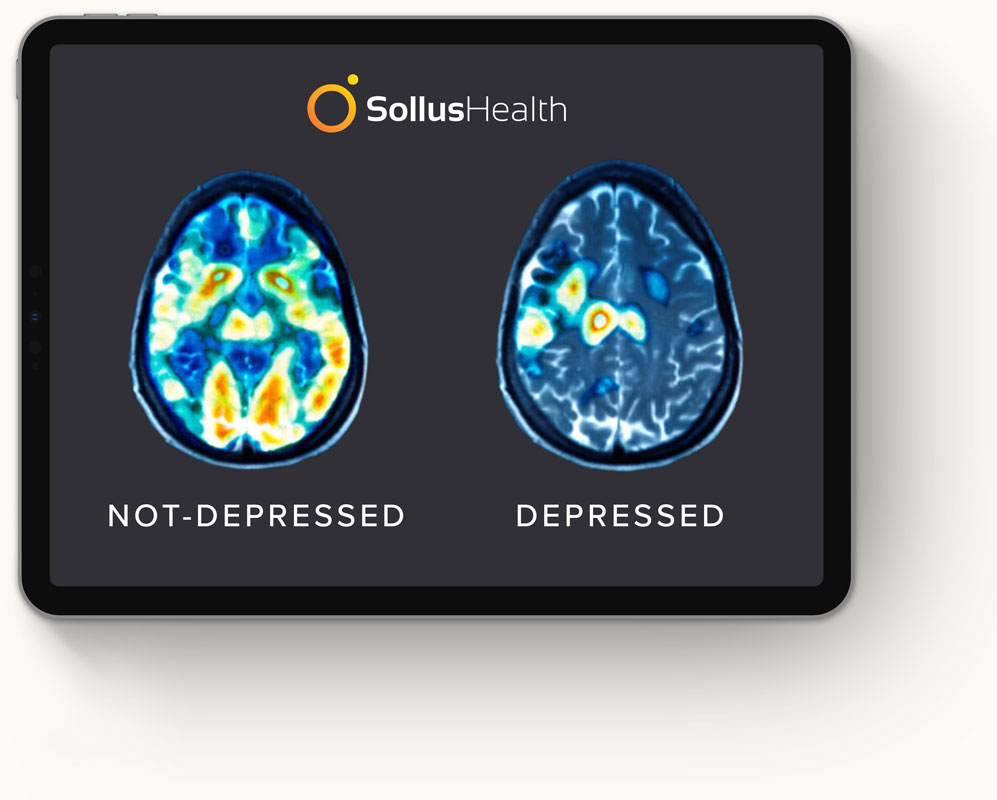
PET Scan showing the brain activity of a patient with depression vs. a patient without depression
NEUROPLASTICITY
Brain Activity is Increased with TMS
Brain scans reveal an increase in connections between brain cells after TMS treatment, a process known as neuroplasticity—the brain's ability to repair and form new connections.

TMS Trusted by

A NEW APPROACH FOR PTSD SYMPTOMS
TMS versus Medication
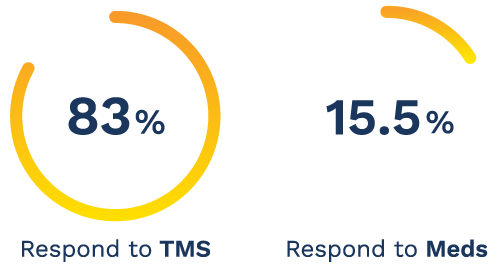
When medications don’t work, TMS does. Studies show 83% of patients respond to TMS — compared to just 15.5% for medication.
83%
Respond to TMS
15.5%
Respond to Meds
TMS Covered by Major Insurance Companies

RESPONSE RATES
TMS Versus Medication
TMS Trusted by



BREAKTHROUGH TECHNOLOGY
What is TMS?
TMS uses targeted magnetic pulses to stimulate areas of the brain involved in PTSD and related conditions.
Why Choose TMS?
-
80%+ Success Rate
-
Long Lasting Results
-
Non-Invasive Treatment
-
Minimal Side Effects
PTSD is temporary, Hope is permanent
COMMITTED TO EXCELLENCE
Meet Our Doctor
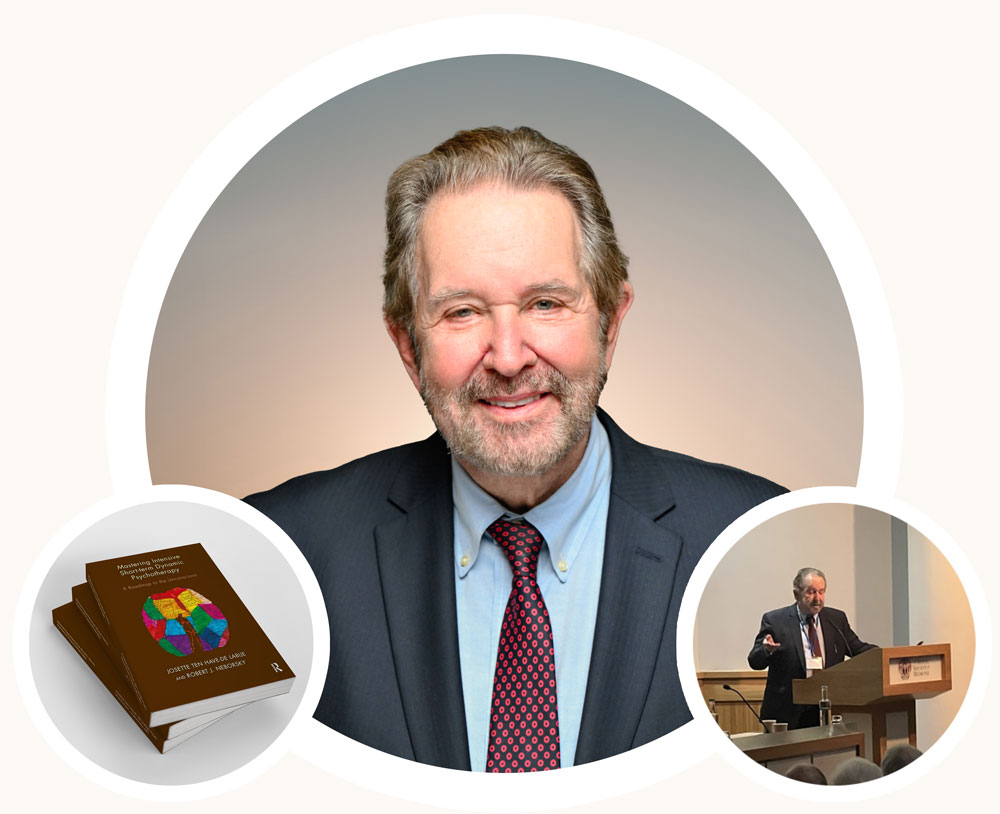

BOARD-CERTIFIED PSYCHIATRIST
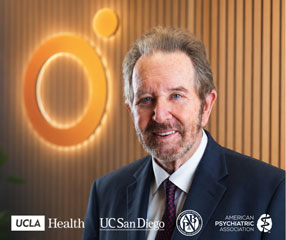
Robert Neborsky, MD
Dr. Neborsky is a board-certified psychiatrist with decades of clinical and academic leadership.
-
President of The Southern California Society for ISTDP
-
Clinical Professor of Psychiatry, UCSD School of Medicine and UCLA School of Medicine (Honorary)
-
Distinguished Life Fellow of the American Psychiatric Association
-
Diplomate, American Board of Psychiatry and Neurology
Author
-
Numerous publications in the field of Psychiatry, Psychopharmacology and Psychotherapy
-
Short Term Therapy for Long-Term Change (Norton)
-
Healing Trauma: Attachment, Mind, Body, and Brain (Norton)
MENTAL HEALTH INNOVATION
Neuroplasticity and TMS: empowering the brain to adapt, heal, and thrive
YOUR QUESTIONS ANSWERED
FAQs About TMS Therapy


Can't find what you're looking for? Get in touch with our team and we will gladly help out.
Transcranial Magnetic Stimulation (TMS) is a non-invasive procedure used to stimulate nerve cells in the brain using magnetic fields. It is primarily employed in the treatment of PTSD, particularly in cases where traditional treatments like medication or psychotherapy have been ineffective
Transcranial Magnetic Stimulation (TMS) uses gentle magnetic pulses to stimulate neural activity in brain regions affected by PTSD, particularly the prefrontal cortex. This stimulation helps to "retrain" the brain's neural circuits, improving communication between different regions that regulate emotions and cognitive function. Over time, repeated stimulation can promote neuroplasticity, allowing the brain to reorganize itself and function more effectively. This increased neural activity is believed to alleviate symptoms of PTSD and other mental health conditions.
TMS has been shown to be highly effective, particularly for treating major depressive disorder (MDD), especially in patients who do not respond well to antidepressants or psychotherapy. Clinical studies suggest that around 80% of patients experience significant improvement in their depressive symptoms, and about 50% achieve full remission.
TMS therapy is generally well-tolerated and considered a comfortable procedure for most patients. During the session, an electromagnetic coil is placed on the scalp, and patients feel a tapping sensation or mild knocking on the head as the magnetic pulses are delivered. Some people may also experience slight discomfort or tingling at the treatment site, particularly in the first few sessions, but this usually lessens over time. There may be an audible clicking sound as the machine operates, and patients often wear earplugs to reduce any noise-related discomfort.
TMS is generally well-tolerated, with most side effects being mild and temporary. The most common side effect is discomfort or mild pain at the treatment site, particularly during the first few sessions, which usually decreases as the scalp becomes accustomed to the stimulation.
A typical course of TMS therapy lasts about 4 to 6 weeks, with patients receiving treatment five days a week. Each session generally lasts between 20 to 40 minutes, depending on the specific protocol being used and the individual's condition
TAKE THE FIRST STEP TODAY
A Simple Process to Begin Your TMS Journey
Take the first step toward lasting relief from PTSD with TMS therapy, a non-invasive, medication-free treatment designed to restore your well-being.
Break free from PTSD
Our team is here to guide you through a personalized journey to reclaim your mental health and regain control of your life.
Headquarter Office
San Diego
Mission Valley
2515 Camino del Rio S Suite 320, San Diego, CA 92108

© Sollus Health 2026. All rights reserved.